
Traditional Polishing vs. Mechanical Polishing: A Comprehensive Comparison for Modern Industrial Production
Introduction
Polishing plays a critical role in modern manufacturing, especially in industries where surface quality, precision, and durability are essential. From consumer electronics to automotive components, from medical devices to heavy machinery, polishing directly impacts both product performance and visual appeal. As global manufacturing continues to evolve toward industrialized production, companies are increasingly evaluating whether traditional polishing methods can still compete with modern, mechanical and automated polishing solutions.
This article provides an in-depth comparison between traditional polishing methods and mechanical polishing methods, focusing on efficiency, cost, scalability, and suitability for metal polishing in industrial environments. It is written with a strong focus on Google SEO and includes key terms such as polishing machinery, metal polishing, industrial production, low-cost polishing, and automated polishing.
What Is Traditional Polishing?
Traditional polishing refers to manual or semi-manual processes performed by skilled workers using handheld tools, abrasive compounds, polishing wheels, and basic equipment. This approach has been used for centuries and remains common in small workshops, artisanal production, and industries where craftsmanship is highly valued.
Characteristics of Traditional Polishing
Heavy reliance on skilled labor
Manual control of pressure, speed, and angle
Inconsistent results between operators
Limited scalability for mass production
In metal polishing, traditional methods are often applied to stainless steel, brass, aluminum, and decorative metal components. While this method allows flexibility and customization, it also introduces challenges in efficiency and cost control.
What Is Mechanical Polishing?
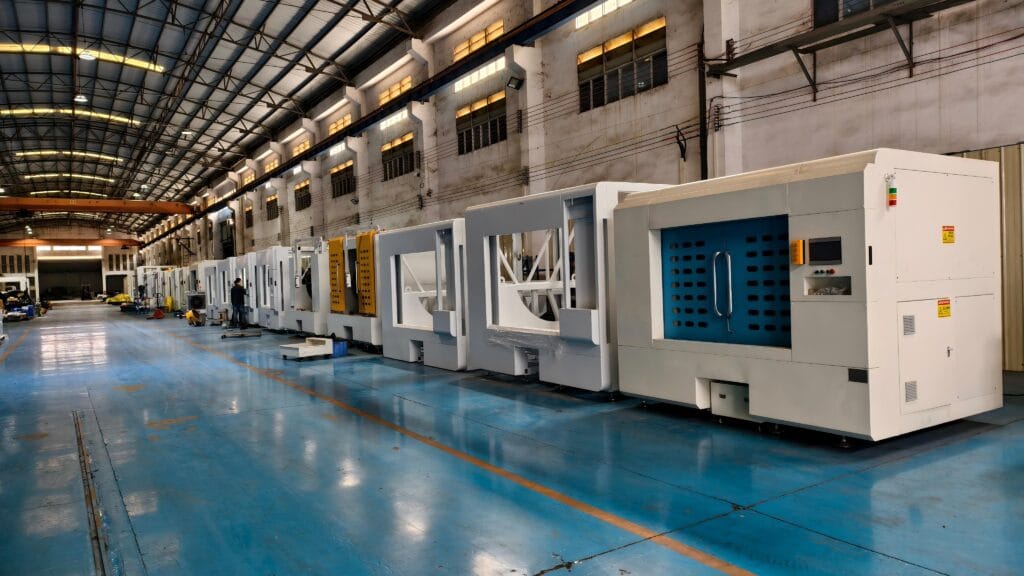
Mechanical polishing uses polishing machinery driven by motors, CNC systems, or robotic arms to achieve consistent surface finishes. These systems can range from basic automated polishing machines to fully integrated automated polishing production lines designed for large-scale industrial production.
Mechanical polishing is widely adopted in industries such as automotive manufacturing, aerospace, electronics, and precision engineering, where consistency and throughput are critical.
Characteristics of Mechanical Polishing
High degree of automation
Repeatable and consistent polishing quality
Reduced dependence on skilled manual labor
Easy integration into industrial production lines
Efficiency Comparison
Efficiency is one of the most significant differences between traditional polishing and mechanical polishing.
Traditional Polishing Efficiency
Traditional polishing is time-consuming and labor-intensive. Each part must be polished individually, and the output is directly limited by the number and skill level of workers. Fatigue, human error, and variation in technique often result in inconsistent polishing quality.
In large-scale industrial production, traditional polishing becomes a bottleneck that slows down overall manufacturing efficiency.
Mechanical Polishing Efficiency
Mechanical polishing systems can operate continuously, often 24/7, with minimal downtime. Automated polishing machines maintain consistent speed, pressure, and motion, allowing them to process large volumes of parts in a short time.
For manufacturers focused on high-volume metal polishing, mechanical polishing significantly improves throughput and operational efficiency.
Cost Analysis: Traditional vs. Low-Cost Mechanical Polishing
Cost is a major concern for manufacturers, especially those seeking low-cost polishing solutions.
Traditional Polishing Costs
While traditional polishing requires relatively low initial investment in equipment, the long-term costs are high due to:
Continuous labor expenses
Training and skill development
High defect and rework rates
Limited production scalability
Over time, labor costs often exceed the savings from low equipment investment, making traditional polishing less competitive.
Mechanical Polishing Costs
Mechanical polishing requires higher upfront investment in polishing machinery. However, these costs are offset by:
Reduced labor dependency
Lower per-unit polishing cost
Minimal rework due to consistent quality
Long service life of industrial polishing machines
In large-scale industrial production, mechanical polishing is widely recognized as the most effective low-cost polishing solution when evaluated over the full production lifecycle.
Quality and Consistency in Metal Polishing
Traditional Metal Polishing Quality
Traditional polishing can achieve excellent surface finishes when performed by experienced technicians. However, quality is highly dependent on individual skill, making it difficult to maintain uniform standards across large batches.
This inconsistency poses challenges for industries with strict quality requirements, such as automotive and electronics manufacturing.
Mechanical Metal Polishing Quality
Mechanical polishing delivers highly consistent results. Parameters such as speed, pressure, abrasive type, and polishing time are precisely controlled by machines or software systems.
As a result, automated polishing ensures uniform surface roughness, gloss, and dimensional accuracy, which is critical for modern industrialized production.
Scalability and Industrial Production
Scalability is a decisive factor when choosing a polishing method.
Limitations of Traditional Polishing
Traditional polishing does not scale well. Increasing output requires hiring and training more workers, which raises costs and introduces variability. Managing quality across a growing workforce also becomes increasingly difficult.
Advantages of Mechanical Polishing in Industrial Production
Mechanical polishing systems are designed for scalability. Additional machines or robotic polishing stations can be integrated into existing production lines with minimal disruption.
For manufacturers pursuing industrial production and global competitiveness, automated polishing provides a clear advantage.
Safety and Working Conditions
Traditional Polishing Safety Issues
Manual polishing exposes workers to dust, noise, vibration, and repetitive motion injuries. Long-term exposure can result in occupational health issues and increased liability for manufacturers.
Mechanical Polishing Safety Benefits
Modern polishing machinery is equipped with dust extraction systems, safety enclosures, and automated controls that reduce human exposure to hazardous conditions. This not only improves worker safety but also supports compliance with international safety standards.
Environmental Impact
Traditional polishing often generates excessive waste due to inefficient abrasive usage and inconsistent processes. Mechanical polishing, by contrast, optimizes abrasive consumption and reduces material waste.
In addition, automated systems can be integrated with environmentally friendly polishing solutions, supporting sustainable industrial production practices.
Future Trends: Automated and Intelligent Polishing
The future of polishing lies in automation, robotics, and intelligent control systems. Advanced polishing machinery now incorporates AI algorithms, sensors, and real-time monitoring to further enhance efficiency and quality.
Automated polishing is rapidly becoming the standard for metal polishing in high-end manufacturing sectors. Companies that adopt mechanical polishing technologies gain a competitive edge through reduced costs, higher productivity, and improved product consistency.
Conclusion
When comparing traditional polishing and mechanical polishing, the differences are clear. Traditional polishing offers flexibility and craftsmanship but struggles with efficiency, consistency, and scalability. Mechanical polishing, supported by advanced polishing machinery, delivers superior performance in terms of cost control, quality, safety, and suitability for industrialized production.
For manufacturers seeking low-cost polishing, consistent metal polishing, and seamless integration into automated production lines, mechanical and automated polishing is the optimal choice. As industries continue to move toward automation and smart manufacturing, mechanical polishing will remain a cornerstone of modern industrial production.
By understanding the strengths and limitations of each approach, manufacturers can make informed decisions that align with their production goals and long-term growth strategies.
Summary
In summary, the transition from traditional polishing to mechanical and automated polishing represents an inevitable trend in modern manufacturing. While traditional polishing still holds value in niche and artisanal applications, it is increasingly unable to meet the demands of large-scale, high-efficiency industrial production. Mechanical polishing, supported by advanced polishing machinery and automation technologies, offers clear advantages in cost control, quality consistency, safety, and scalability. For manufacturers focused on metal polishing, low-cost polishing solutions, and long-term competitiveness, adopting automated polishing systems is not only a technical upgrade but also a strategic investment in sustainable industrial development.